Understanding the Difference Between Torsion and Extension Springs in 2024
The mechanics of springs play an important position in various functions, from on an everyday basis home goods to complex equipment. Understanding the differences between torsion and extension springs may help you select the proper type for your particular wants.
Top-Rated Garage Door Repair Beaumont
What Are Torsion Springs?
Torsion springs are designed to exert a torque or rotational force. They work by twisting, storing energy within the coil as it turns round its axis. These springs are generally used in purposes requiring controlled rotational actions. For instance, you can find torsion springs in items like clothespins and garage doorways, where resistance to wind or gravity is required.
- Mechanism: Torsion springs store energy when they're twisted. The force exerted will increase because the spring is twisted further from its impartial place. Common Uses: Found in applications ranging from St. Albert's storage mechanisms to Spruce Grove’s industrial machines. Design Features: Typically, they consist of tightly wound coils around a strong middle. This construction allows them to withstand consistent twisting forces.
What Are Extension Springs?
Fast and Affordable Garage Door Solutions Sherwood Park
Extension springs, distinct from torsion springs, are designed to absorb and store energy when they are stretched. These springs provide resistance to pulling forces and return to their original shape when the force is eliminated. They are often present in purposes requiring pulling or tension, similar to within the doors of certain appliances and different equipment.
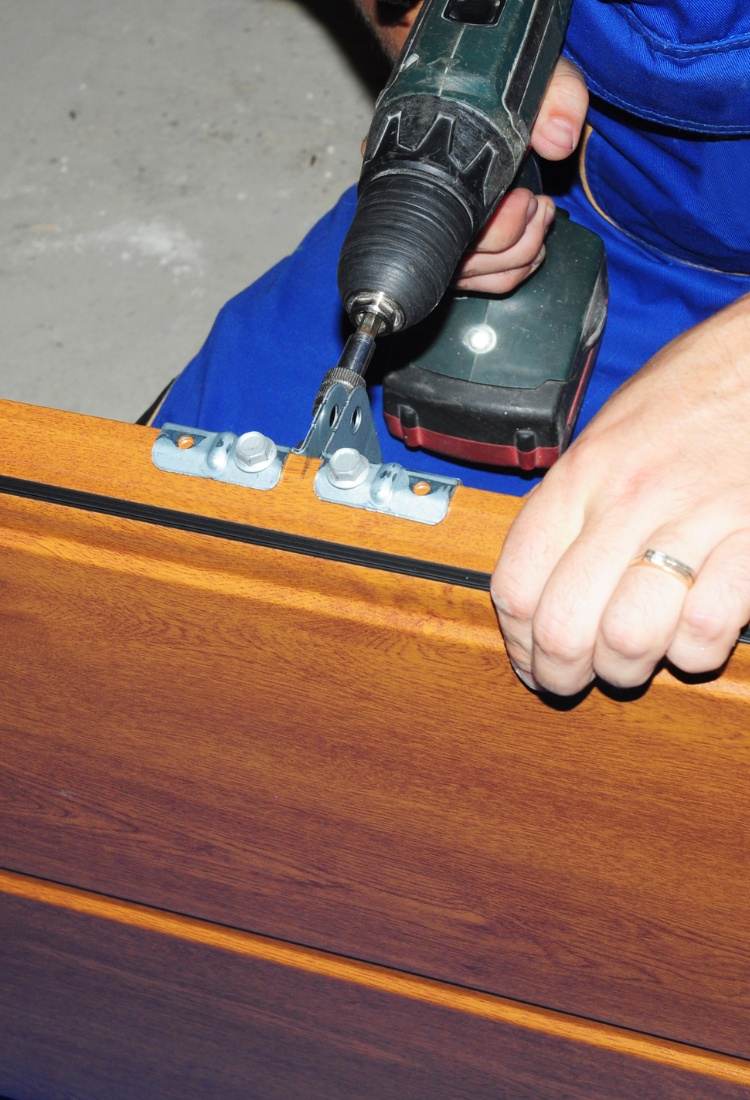
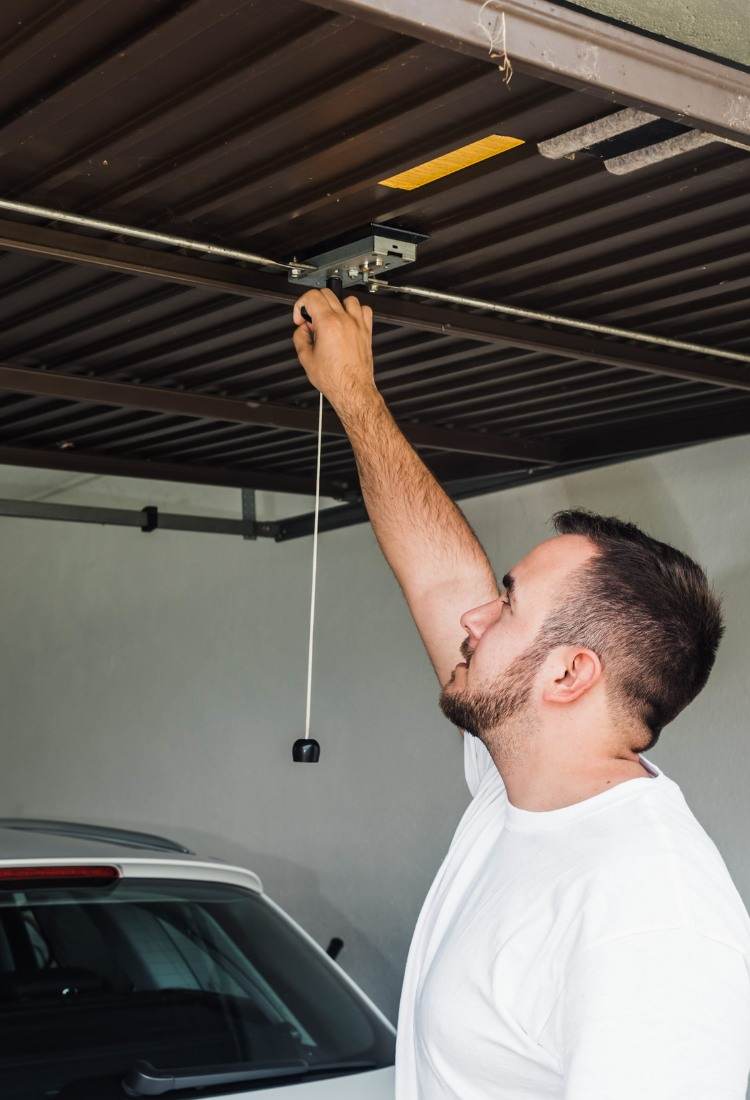
- Mechanism: Extension springs operate by elongating. The more they're stretched, the extra force is exerted to return to their original shape. Common Uses: Often utilized in Beaumont's automotive industry or in gear found in Fort Saskatchewan developments. Design Features: Typically have coils with hooks or loops at every finish for safe attachment points.
Key Differences Between Torsion and Extension Springs
Garage Door Roller Replacement Leduc Services
Understanding the distinct characteristics of those two kinds of springs can help you discern which one suits your software. Here are the primary variations:
- Type of Force: Torsion springs generate a torque from rotational movement, whereas extension springs generate force when pulled aside. Shape and Design: Torsion springs are wound round a middle axis, whereas extension springs are cylindrical and have hooks or loops at both ends. Applications: Torsion springs are excellent for purposes needing to withstand rotational forces, similar to in Leduc’s home items, whereas extension springs excel in situations requiring tension, like in Spruce Grove's automotive parts.
Professional Garage Door Adjustments Morinville
Applications and Uses in Local Industries
Both torsion and extension springs discover in depth use throughout totally different industries, together with manufacturing, automotive, and residential http://cashfdtf994.theglensecret.com/comprehensive-garage-door-overhauls-beaumont functions - Residential Garage Door Experts Spruce Grove. Here’s how these springs are utilized in some localities:
Torsion Springs
- **Sherwood Park**: Often used in door hinge assemblies, permitting for smooth operations. - **Devon**: Integral in sports activities equipment, corresponding to resistance bands and weights.Extension Springs
- **Morinville**: Common in garage doorways, offering the mandatory tension for lifting doorways effectively. - **Ardrossan**: Frequently found in furniture mechanisms, guaranteeing easy functioning of recliners and sofas.Dependable Garage Door Installation Repairs Beaumont
Each of these springs serves a specific objective to boost product performance and effectivity - Expert Garage Door Balance Adjustments Sherwood Park. Understanding their roles helps producers design better merchandise tailored to meet consumer wants
Choosing the Right Spring for Your Application
When deciding between torsion and extension springs, think about the specific mechanical necessities of your software. Here are some tips to guide your choice process:
Garage Door Cable Replacement St. Albert Services
- Identify the Forces Involved: Determine whether or not you need resistance to twisting (torsion) or pulling (extension). Evaluate Space Constraints: Analyze the working surroundings, as space might determine the form and size of the spring you want. Material Considerations: Choose the proper material based on corrosion resistance and strength, which could be important in areas like Fort Saskatchewan's industrial sectors.
Conclusion
Sherwood Park Garage Door System Maintenance
In summary, the difference between torsion and extension springs lies of their fundamental operations and functions. Torsion springs excel in offering rotational resistance, making them excellent for purposes that require torque, whereas extension springs are ideal for purposes that necessitate tension and pulling. Whether you are in Stony Plain, Leduc, or any other locale, understanding these differences will empower you to make informed selections on your spring necessities. Don’t hesitate to consult with business professionals to ensure the most effective fit in your particular needs!
